Abdominal Pain
Kyle
7 min read

Abdominal pain is a common and complex symptom that requires careful evaluation due to its various possible causes and severity levels.
Understanding the origins and implications of this discomfort is crucial for effective diagnosis and management.
Addressing abdominal pain demands expertise and attention to detail to navigate its diagnostic challenges and develop appropriate clinical strategies.
Key Takeaways
Abdominal pain is a common symptom with various potential causes and severity levels. Understanding the origins and implications of this discomfort is essential for accurate diagnosis and treatment. Expertise and attention to detail are required to address abdominal pain effectively, navigate diagnostic challenges, and develop appropriate clinical strategies.
Understanding Abdominal Pain
Abdominal pain is discomfort in the belly area that can originate from various sources in the digestive system or adjacent regions like the chest or back. The intensity, type, and duration of the pain can vary, requiring a detailed description for accurate diagnosis.
Differentiating between benign causes and potentially life-threatening conditions is crucial, as abdominal pain can range from mild issues to severe emergencies. Understanding its nature and characteristics is essential for timely intervention and proper management of associated health issues.
Common Causes of Abdominal Pain
Understanding common causes of abdominal pain is crucial for distinguishing between benign issues and serious conditions, ensuring prompt medical attention. Consider these causes:
- Digestive Issues – Indigestion, gastritis, acid reflux, and irritable bowel syndrome can lead to abdominal discomfort.
- Inflammation – Appendicitis, diverticulitis, or inflammatory bowel disease can cause significant abdominal pain.
- Reproductive System Disorders – Ovarian cysts, endometriosis, or menstrual cramps can present as abdominal pain, especially in females.
Recognizing these common causes can help individuals seek timely medical evaluation and intervention for abdominal pain.
Differentiating Types of Abdominal Pain
Healthcare providers can differentiate types of abdominal pain by considering location and characteristics. Upper abdominal pain may indicate issues with the stomach, gallbladder, or pancreas, while lower abdominal pain can be linked to the intestines, appendix, or reproductive organs.
Right-sided pain may suggest problems with the liver, gallbladder, or appendix, while left-sided pain could be related to the spleen, colon, or ovarian issues. The type of pain – sharp, dull, crampy, or burning – and accompanying symptoms like bloating, nausea, or fever, help healthcare providers determine the cause of abdominal pain and plan appropriate treatment.
Signs of Serious Abdominal Pain
Recognizing signs of serious abdominal pain is crucial for prompt medical intervention and appropriate management. Look out for:
- Severe and Sudden Onset Pain: Persistent, intense sharp abdominal pain.
- Pain Accompanied by High Fever: Abdominal pain with a persistent or worsening high fever.
- Signs of Internal Bleeding: Dizziness, fainting, rapid heartbeat, or cold, clammy skin along with abdominal pain.
Seek immediate medical attention to diagnose and address any serious underlying conditions.
Diagnostic Process for Abdominal Pain
The diagnostic process for abdominal pain involves obtaining a detailed medical history to understand the pain's nature, onset, duration, and associated symptoms. A thorough physical examination, including palpation of the abdomen for tenderness, helps localize the pain.
Diagnostic tests like blood tests, imaging studies (ultrasound, CT scan, or MRI), endoscopy, or colonoscopy may be necessary to confirm the diagnosis. Prompt and accurate diagnosis is crucial for initiating appropriate treatment and managing abdominal pain effectively.
Managing Abdominal Pain at Home
Effective management of abdominal pain at home involves staying hydrated, maintaining a healthy diet, and managing stress. Here are three key strategies to help alleviate discomfort and promote healing:
- Hydration: Drink plenty of water to support proper digestive function and prevent dehydration, which can worsen abdominal pain.
- Healthy Diet: Avoid triggering foods like spicy, fatty, or acidic foods. Opt for a balanced diet high in fiber to support regular bowel movements.
- Stress Management: Practice relaxation techniques such as deep breathing, meditation, or gentle stretching exercises to reduce stress, which can contribute to abdominal discomfort.
When to Seek Medical Attention
Knowing when to seek medical attention for abdominal pain is crucial. If you have unexplained, persistent, or severe abdominal pain, consult a healthcare provider promptly.
Seek medical care in cases of injury, during pregnancy, or if symptoms like fever, vomiting blood, or difficulty breathing accompany the pain. Worsening symptoms with exertion or progressive mild pain should also prompt a doctor's visit.
Sudden and severe pain, especially in specific abdominal regions, may indicate serious conditions needing immediate medical attention. Delaying help for abdominal pain can lead to complications, so consult a healthcare professional when in doubt.
Abdominal Pain in Specific Populations
Abdominal pain presents uniquely in various demographics:
- Pediatric Population: Children struggle to express pain, complicating diagnosis. Appendicitis commonly causes abdominal pain in children.
- Elderly Population: Age-related changes affect pain perception, posing diagnostic challenges. Gallstones and gastrointestinal bleeding are common causes of abdominal pain in the elderly.
- Pregnant Women: Physiological changes in pregnancy can lead to discomfort. Ectopic pregnancy, preeclampsia, or round ligament pain should be considered in pregnant individuals with abdominal pain.
Understanding these differences is vital for accurate diagnosis and tailored management by healthcare providers.
Lifestyle Factors and Abdominal Pain
Lifestyle factors like diet, exercise, stress, and sleep patterns can trigger and worsen abdominal pain. A diet high in processed or spicy foods, along with excessive alcohol intake, can cause digestive issues.
Lack of exercise may lead to constipation or bloating, aggravating abdominal pain. High stress levels can affect gut health and increase muscle tension, contributing to pain.
Poor sleep quality or disruptions can also impact gastrointestinal function, worsening abdominal pain. Managing these factors through healthy habits and stress relief techniques can help ease abdominal discomfort.
Preventing Recurrent Abdominal Pain
To prevent recurrent abdominal pain, focus on lifestyle changes and addressing underlying health issues. Follow these strategies:
- Healthy Diet: Eat fiber-rich foods, stay hydrated, and avoid trigger foods.
- Stress Management: Use techniques like mindfulness or yoga to reduce stress impact.
- Regular Exercise: Stay active to aid digestion, reduce bloating, and maintain a healthy weight.
Technological and Diagnostic Advances in Abdominal Pain Management
The field of medical diagnostics and treatment has seen significant technological advancements that have revolutionized the management of abdominal pain. These innovations not only enhance our ability to diagnose the underlying causes of abdominal discomfort with greater accuracy but also improve patient outcomes through less invasive and more targeted treatments. Here are some key developments:
- Non-Invasive Imaging Techniques: Advances in imaging technologies such as high-resolution ultrasound, magnetic resonance imaging (MRI), and computed tomography (CT) scans have greatly improved the accuracy of abdominal pain diagnosis. These methods allow for detailed visualization of internal organs and structures without the need for invasive procedures, enabling early detection of conditions like gallstones, liver diseases, and appendicitis.
- Capsule Endoscopy: This technology involves swallowing a small, pill-sized camera that captures images of the gastrointestinal tract as it passes through. Capsule endoscopy is particularly useful in diagnosing issues in areas that are difficult to reach with traditional endoscopy, such as the small intestine, offering a less invasive option for patients.
- Enhanced Endoscopic Procedures: Developments in endoscopic technology, including the use of narrow band imaging and confocal laser endomicroscopy, have improved the ability to detect and biopsy abnormalities in the digestive tract with greater precision. These advancements help in the early detection of conditions like gastrointestinal cancers and inflammatory bowel disease.
- Robotic Surgery: For conditions requiring surgical intervention, robotic-assisted surgery has become an invaluable tool. It offers greater precision, flexibility, and control than traditional techniques, resulting in smaller incisions, reduced pain, and quicker recovery times for patients undergoing surgery for conditions like hernias or cancers.
- Artificial Intelligence (AI) and Machine Learning: AI and machine learning algorithms are increasingly being applied to diagnose abdominal conditions by analyzing patterns in imaging data. This technology can help identify subtle changes that might be missed by the human eye, leading to earlier and more accurate diagnoses.
- Telemedicine: The rise of telemedicine has allowed for remote diagnosis and management of abdominal pain, making healthcare more accessible. Patients can now consult with specialists from the comfort of their homes, which is particularly beneficial for those in remote or underserved areas.
These technological and diagnostic advances underscore a significant shift towards more patient-centered, efficient, and precise management of abdominal pain. By leveraging these innovations, healthcare providers can offer better care, with less discomfort and inconvenience for patients, ultimately improving the quality of life for those suffering from abdominal conditions.
Related Posts
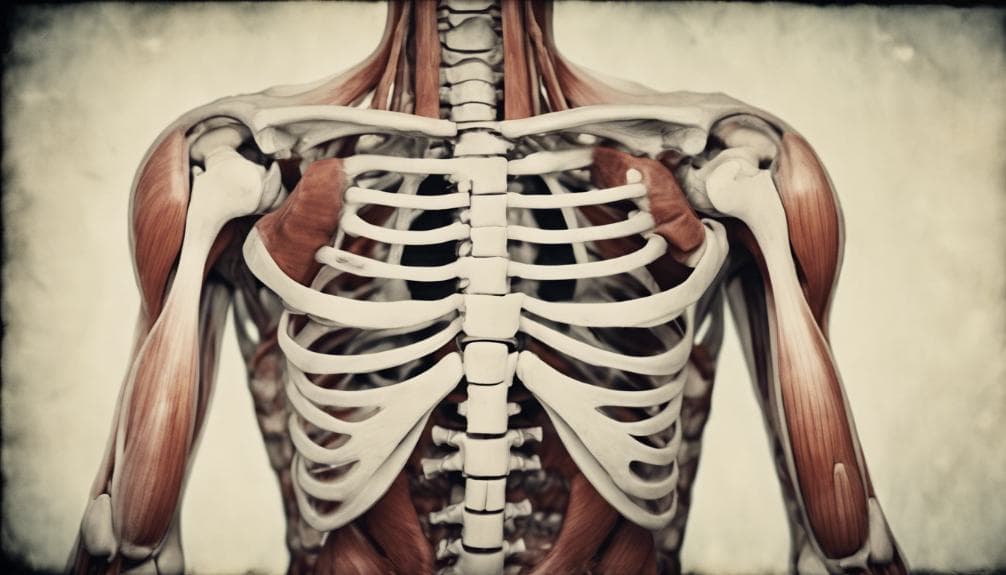
Learn about the intricacies of shoulder health and find solutions for your pain in our comprehensive
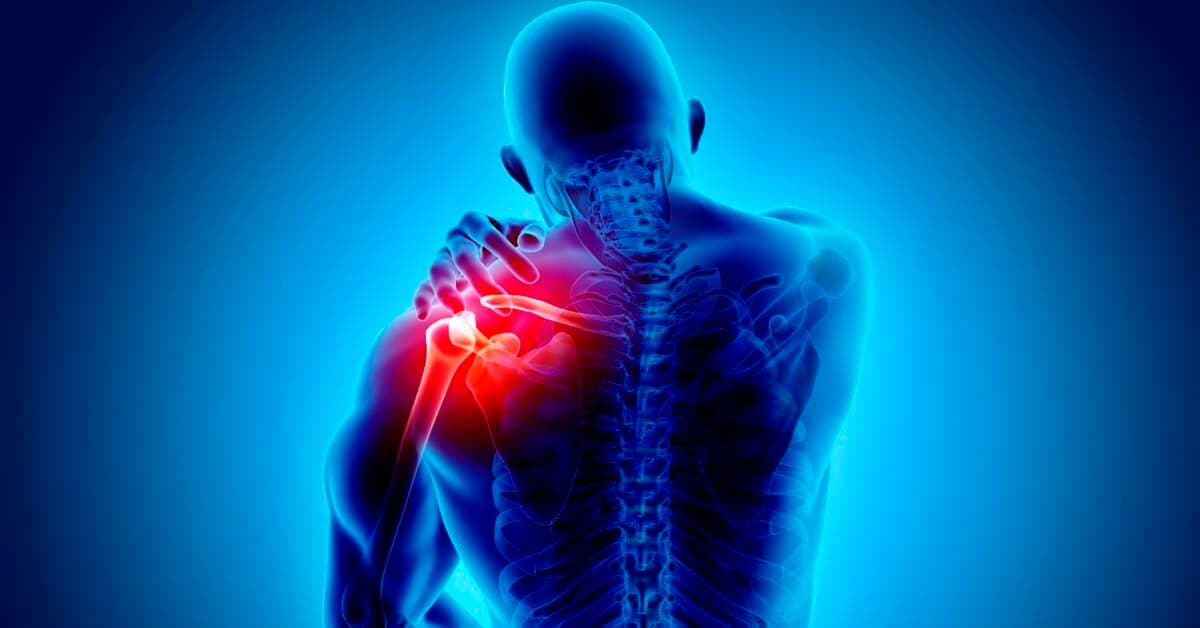
Chronic pain transforms simple tasks into challenges and inflicts fatigue and isolation that touch e

The back is made up of bones, muscles, and other tissues that support the body. The spine is a colum