Shoulder Joint
Kyle
3 min read
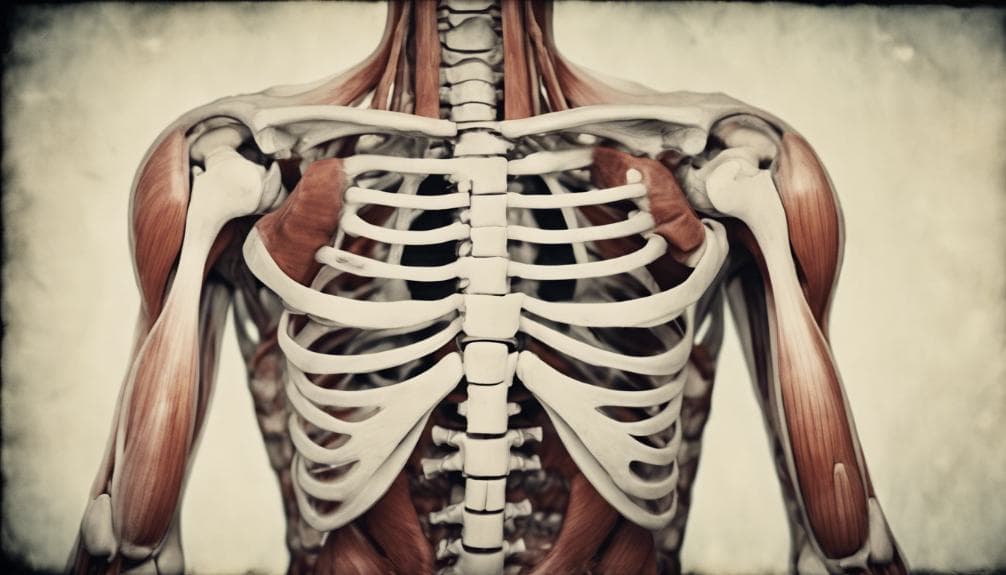
Shoulder joints, often underestimated in their burden-bearing capacity, are subject to strains from daily activities.
Understanding shoulder anatomy, diagnosing persistent pains, exploring treatment options, and implementing preventative measures are essential for shoulder health.
Understanding Shoulder Anatomy
The shoulder, a complex joint, includes bones, muscles, and tendons facilitating extensive motion range. It consists of the clavicle, scapula, and humerus, forming two primary joints: the acromioclavicular and the glenohumeral joints, enabling arm rotation.
The rotator cuff, a muscle-tendon group, secures the humerus within the scapula's socket, essential for shoulder dexterity and strength.
Common Shoulder Problems
Shoulder issues, including tendonitis, rotator cuff injuries, bursitis, and osteoarthritis, often result from overuse, strain, or degeneration.
Tendonitis involves tendon inflammation, while rotator cuff injuries can vary from strains to tears, impairing arm movement.
Bursitis, the inflammation of shoulder fluid sacs, restricts movement due to pain. Osteoarthritis, the wear of shoulder joint cartilage, causes stiffness and pain.
These conditions impact daily activities and quality of life.
Diagnosis of Shoulder Issues
Diagnosis of shoulder pain begins with a medical evaluation, including medical history review and physical examination. Doctors assess pain onset, intensity, and affected activities. Movement tests evaluate range of motion and strength.
Imaging tests, such as X-rays, identify bone spurs, fractures, or arthritis. MRIs visualize soft tissues, including rotator cuff tendons. Ultrasound detects tendon tears. In some cases, an arthroscopy may be conducted for an internal joint examination.
Treatment Options Explored
For shoulder pain, treatment includes:
- Physical therapy for strength and mobility
- Medications for pain and inflammation
- Corticosteroid injections for severe cases
These methods aim to reduce pain, enhance function, and protect the shoulder joint. Treatment adjustments depend on patient progress.
Compliance with the treatment plan is essential for recovery.
Preventing Shoulder Injuries
To prevent shoulder injuries, integrate regular exercises that strengthen shoulder muscles. Ensure proper posture, particularly during prolonged sitting or stressful activities for shoulders.
Stretch before and after exercise to maintain muscle flexibility and reduce tension. Incorporate rest days for recovery post-intensive workouts.
Heed bodily signals of discomfort or fatigue in shoulders to avoid overuse injuries.
Frequently Asked Questions
How Can I Modify My Workout Routine to Avoid Putting Too Much Strain on My Shoulder Joint?
To prevent shoulder joint strain, include low-impact exercises, strengthen surrounding muscles, maintain correct form, and slowly increase intensity. Essential to warm up and cool down to avoid injury.
Are There Any Specific Dietary Supplements or Foods That Can Help in Maintaining Healthy Shoulder Joints?
To maintain shoulder joint health, include omega-3 fatty acids, vitamin D, and calcium in your diet. Glucosamine and chondroitin supplements may benefit joint health.
What Are the Psychological Impacts of Chronic Shoulder Pain, and How Can They Be Addressed?
Chronic shoulder pain may cause depression, anxiety, and stress. Professional help, therapy, relaxation techniques, and support groups are recommended for managing these psychological effects.
Can Changes in Weather Affect Shoulder Joint Health, and if So, How?
Weather changes, particularly cold and damp conditions, can exacerbate shoulder joint pain and stiffness. Adjustments in activities or heat therapy may be necessary to alleviate discomfort.
How Does Aging Specifically Impact the Function and Health of the Shoulder Joint, and What Proactive Measures Can Be Taken?
Aging affects the shoulder joint, causing wear, stiffness, and pain. Counteract these effects through exercise, a balanced diet, and weight management.
Tags:
shoulder
Related Posts
Chronic pain transforms simple tasks into challenges and inflicts fatigue and isolation that touch e

Heralding a complex medical dilemma, Failed Back Surgery Syndrome leaves patients and healthcare pro

The back is made up of bones, muscles, and other tissues that support the body. The spine is a colum