When Is Knee Surgery Necessary? Exploring Surgical Options for Pain Relief
Kyle
8 min read
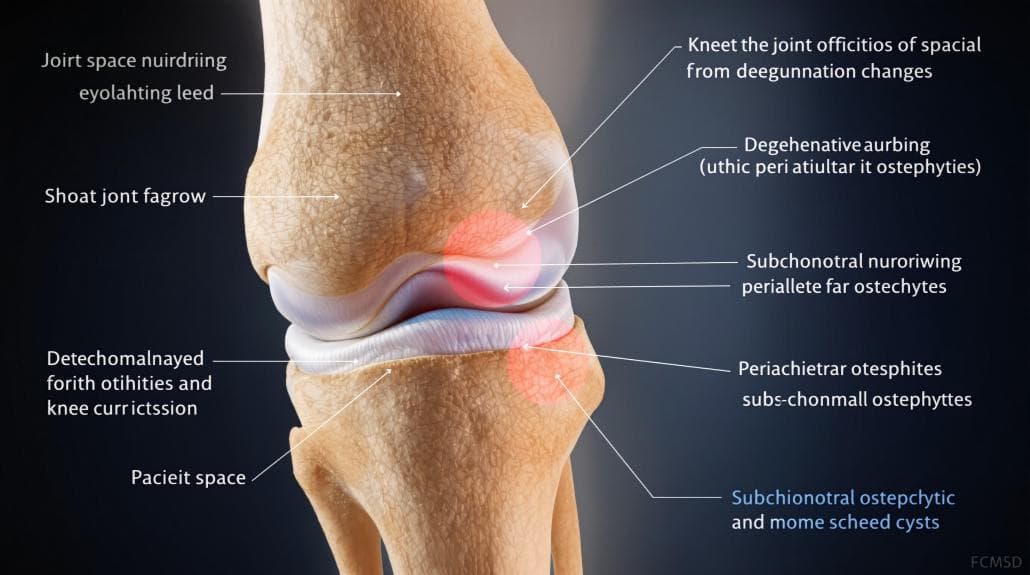
You'll need knee surgery when conservative treatments like medications and physical therapy haven't resolved your chronic pain and mobility issues. Key signs include persistent pain that disrupts daily activities and sleep, difficulty with basic movements like climbing stairs, ongoing swelling, and noticeable knee deformity. Your doctor may recommend arthroscopic surgery for minor repairs, partial knee replacement for targeted damage, or total knee replacement for extensive joint problems. The decision depends on your symptoms' severity, activity level, and response to non-surgical treatments. Understanding your surgical options can help you make informed choices about managing knee pain and restoring function.
Signs Your Knee Needs Surgery
When chronic knee pain begins disrupting your daily activities and sleep, it may be time to contemplate surgery. If you're experiencing constant pain that doesn't improve with medication or physical therapy, that's a significant indicator. You'll want to pay attention to how the pain affects your daily routine and mobility. The development of leg bowing can occur as you try to manage discomfort. Medical imaging techniques can help diagnose the underlying causes of persistent knee problems. Inflammatory joint conditions can significantly contribute to the progression of knee arthritis.
Key signs that suggest you might need knee surgery include:
- Persistent pain that disrupts your sleep
- Difficulty with basic activities like climbing stairs or standing
- Visible swelling and redness that won't subside
- Stiffness that makes bending your knee challenging
- Noticeable changes in your knee's appearance compared to the other one
You may also notice you're becoming increasingly dependent on mobility aids like canes to get around. If conservative treatments aren't providing relief anymore, and you've tried medications, physical therapy, and other non-surgical options without success, it's time to discuss surgical options with your doctor. The impact on your quality of life is a vital factor – when knee problems start affecting your work, social activities, and mental wellbeing, surgery might be your best path forward.
Types of Knee Surgery
Several knee surgery options exist to address different types of injuries and conditions. The most common procedures include arthroscopic surgery, which uses a tiny camera to diagnose and treat problems with minimal invasion, and knee replacement surgeries – both partial and total. While arthroscopy is often used for meniscus repairs and ACL reconstruction, replacement surgeries are typically reserved for severe joint damage. During partial knee replacement, doctors utilize custom implants designed to specifically match the patient's unique anatomy. Meniscus tears are a common condition that may require surgical intervention. ACL injury prevention strategies can help reduce the risk of future knee complications.
Your surgeon may recommend arthroscopic surgery if you're dealing with torn cartilage, loose bone fragments, or need ACL reconstruction. This minimally invasive option offers quicker recovery times, usually 2-6 weeks, with less scarring and pain. For more severe joint damage, you might need a partial or total knee replacement. Partial replacements target specific damaged areas, while total replacements substitute the entire joint with prosthetic components.
Recovery times vary by procedure:
- Arthroscopy: 2-6 weeks
- Partial knee replacement: 3-6 weeks
- Total knee replacement: 6-12 weeks
- ACL reconstruction: 6-12 months
Most patients can walk without assistance after three weeks and drive within 4-6 weeks, though full rehabilitation typically spans 12 weeks.
Weighing Your Treatment Options

Before deciding on knee surgery, you'll need to carefully evaluate your symptoms, lifestyle needs, and treatment goals with your doctor. Your orthopedic specialist will conduct a thorough assessment, including physical examinations and imaging tests, to determine the severity of your condition and whether surgery is your best option.
Consider these key factors when weighing your treatment choices:
- The intensity and frequency of your knee pain
- How well you respond to conservative treatments like medications and physical therapy
- Your ability to perform daily activities
- The presence of knee deformity or instability
- The extent of joint damage shown in X-rays
Studies show that over 10 percent of Americans will need total knee replacement surgery by age 80. If you've tried non-surgical treatments for at least three months without improvement, and your pain considerably impacts your quality of life, surgery might be appropriate. Look for these specific indicators:
- Pain that persists even at rest
- Difficulty with basic movements like walking or climbing stairs
- Clear evidence of advanced joint disease in imaging tests
- Chronic inflammation that doesn't respond to medication
- A Kellgren-Lawrence Grade of 3 or 4
Your surgeon can help you choose between total knee replacement, partial knee replacement, or other surgical options based on your specific condition and goals.
Preparing for Knee Surgery
Proper preparation for knee surgery greatly improves your chances of a successful outcome and smoother recovery. You'll need to complete several important steps in the weeks leading up to your procedure, including medical clearances, lifestyle adjustments, and home preparations.
Start by scheduling a physical exam about 30 days before surgery and obtain necessary medical clearances. You'll need recent knee x-rays, blood tests, and possibly an electrocardiogram. It's vital to attend education classes to understand the surgical process and recovery expectations. Schedule your post-operative visit during this pre-surgery period.
Make these key lifestyle changes:
- Stop smoking and limit alcohol
- Maintain a high-protein diet
- Stop using leg lotions 5 days pre-surgery
- Avoid shaving legs for 2 weeks before surgery
At home, you'll need to:
- Clear walking paths
- Set up assistive devices
- Arrange for a care partner
- Prepare a recovery area
The day before surgery, follow your doctor's specific instructions about medications and food restrictions. Don't eat solid foods after midnight, and take only approved medications the morning of surgery. These preparations will help guarantee you're ready for a successful procedure and recovery.
Recovery and Rehabilitation
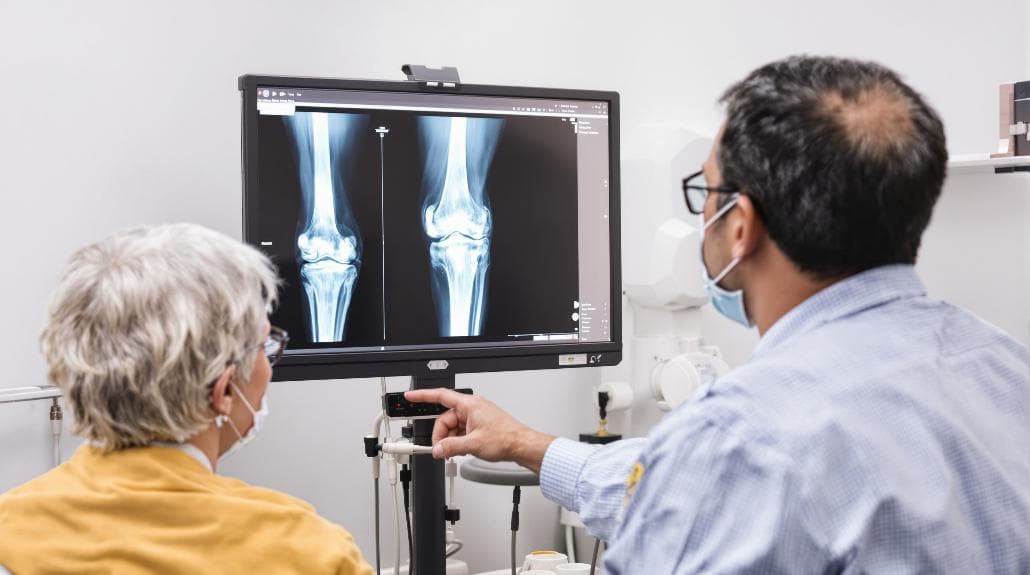
Once your knee surgery is complete, a thorough rehabilitation program will guide your return to daily activities. You'll begin physical therapy within 1-3 days after surgery, starting with pain management, ice therapy, and gentle movements to prevent complications. Your therapist will help you learn to use assistive devices and navigate stairs safely during this initial phase. Customized therapy plans ensure individual needs and limitations are properly addressed.
Your rehabilitation journey typically spans 12 weeks, though full recovery can take 6-12 months. During the first few weeks at home, you'll focus on:
- Range of motion exercises
- Basic strength training like quadriceps sets
- Shifting from walker to cane
- Pain management techniques
As you progress to outpatient therapy, you'll tackle more challenging exercises to build strength and improve flexibility. Most patients notice significant improvement by month 3, but it's essential to maintain your exercise routine for best results. You'll need to perform prescribed exercises 2-3 times weekly until 8-10 months post-surgery, then once weekly after that.
Life After Knee Surgery
Life after knee surgery brings significant changes as you adjust to your new joint and capabilities. You'll experience gradual improvement over time, with both good days and bad days as part of your recovery journey. During this period, you'll need to carefully follow your doctor's guidance about resuming daily activities like driving and returning to work.
Physical therapy plays an important role in your recovery. You'll need to commit to prescribed exercises for at least two months after surgery, including activities like stationary cycling to maintain muscle tone and flexibility. These exercises help prevent stiffness and scar tissue buildup, which can impact your long-term outcomes. Having a recovery center at home with essential items within reach can make your rehabilitation process more manageable.
While most patients achieve successful results, it's important to be aware of potential complications. These can include infection, persistent pain, or implant issues. Your knee replacement should last 15-20 years with proper care, but regular follow-up appointments with your doctor are essential to monitor your progress.
To maintain your joint health long-term:
- Stay active with doctor-approved exercises
- Watch for signs of complications
- Attend scheduled follow-up appointments
- Continue recommended physical therapy exercises
- Maintain a healthy weight to reduce joint stress
Frequently Asked Questions
Can I Drive Immediately After Knee Surgery?
You shouldn't drive immediately after knee surgery. Wait 2-6 weeks, depending on which knee was operated on, and don't drive while taking narcotic pain medication. Your doctor's clearance is essential.
Will My Insurance Cover Alternative Treatments Before Requiring Surgery?
Your insurance likely covers several alternative treatments like physical therapy, viscosupplementation, and unloader braces. However, experimental treatments like PRP and stem cell therapy typically aren't covered by most plans.
How Do Weather Changes Affect Knee Replacement Joints?
You'll notice your knee replacement can feel stiffer and more sensitive during cold weather. Changes in temperature and barometric pressure affect joint function, causing discomfort that you can manage through lifestyle adjustments.
What Activities Should I Permanently Avoid With an Artificial Knee?
You'll need to avoid high-impact activities like running, jumping, and contact sports. Don't kneel without cushioning, twist your knee, or sit for extended periods without elevating your leg.
Are There Age Restrictions for Getting Knee Replacement Surgery?
You're not restricted by age for knee replacement surgery. While it's most common between 60-80 years old, your overall health, pain level, and quality of life determine if you're a candidate.
Related Posts

Injections For Back Pain have become a popular option for subduing back pain, and choosing this opti